How Seniors Can Avoid Getting Scammed While Learning Online!
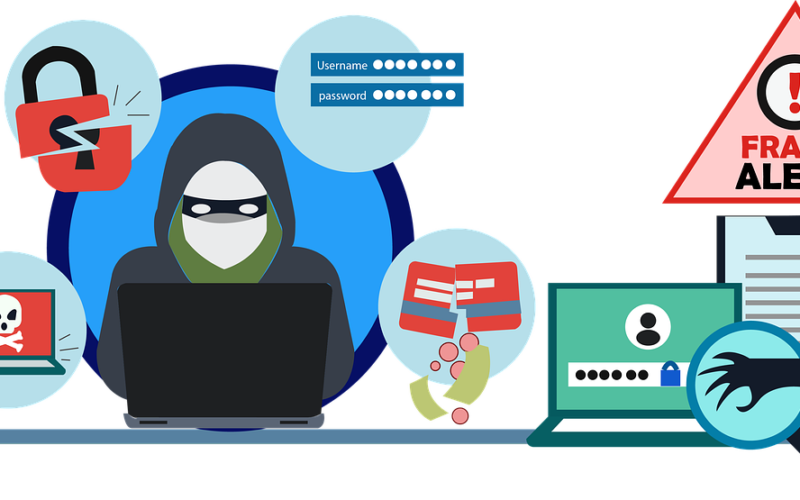
Let’s start with an uncomfortable truth.
The internet is full of opportunity — and it’s also full of people who see Seniors as easy targets.
If you’re learning how to build an online side hustle in 2026, you must learn how to spot the warning signs early. Not because you’re naïve — but because scammers are very good at what they do.
They don’t look like villains.
They look polished, confident, and “helpful.”
The promise of fast money is the biggest red flag!
Anytime someone promises:
-
Immediate success
-
Guaranteed income
-
“Set it up once and money pours in”
-
Or results in days instead of months
You should pause.
As a Senior myself, I’ll say this plainly:
There is no legitimate way to build a sustainable online business overnight.
If there were, everyone would already be doing it.
The glossy picture vs. reality!
Scammers rely on illusion.
It’s a bit like buying a frozen pizza because the picture on the box looks incredible — golden cheese, thick toppings, perfection.
Then you open the box and think:
Is that it?
That’s exactly how many online scams work.
You’re shown luxury lifestyles, dashboards full of earnings, and big claims — but when the product arrives, there’s very little substance behind it.
A few vague videos.
Some recycled advice.
And suddenly… silence.
High pressure is not education — it’s manipulation!
Here’s another warning sign.
If you’re told:
-
“Buy now or miss out forever”
-
“Price doubles in 10 minutes”
-
“This is your only chance”
That’s not mentorship.
That’s pressure.
Real educators don’t rush Seniors into decisions.
They answer questions.
They allow thinking time.
They respect caution.
Not everyone charging money is a scammer — but some are!
Let’s be fair.
There are legitimate courses, tools, and paid training programs that help seniors learn properly.
But reputable marketers will:
-
Respond to questions
-
Explain what’s included clearly
-
Be honest about effort and timelines
-
Avoid exaggerated income claims
If someone won’t answer basic questions before you buy — that’s a problem.
If they immediately push you into recruiting others or complex “downlines” — be very cautious.
Be especially careful with “plug-and-play” systems!
In 2026, scams often hide behind automation claims.
“If you just plug this in and sit back…”
“If you don’t even need computer skills…”
That’s simply not true.
You don’t need to be technical — but you do need to:
-
Use a computer
-
Navigate basic websites
-
Read, write, and communicate online
Anyone claiming otherwise is selling fantasy, not reality.
Do your homework (quietly and calmly)!
Before spending money:
-
Search the person’s name online
-
Look for independent reviews (not just testimonials on their page)
-
Check forums or discussion groups
-
See how long they’ve been active
Take your time.
Scammers rely on urgency.
You win by slowing down.
Forums and communities still matter!
One of the best ways to stay safe is by listening before buying.
Online communities — especially those aimed at beginners or Seniors — quickly reveal:
-
Who genuinely helps
-
Who disappears after payment
-
Who overpromises and underdelivers
People talk. Patterns emerge.
Real help feels different!
Here’s what legitimate support usually looks like:
-
Clear step-by-step guidance
-
Realistic expectations
-
Ongoing communication
-
Willingness to explain things more than once
Good mentors don’t make you feel foolish.
They make you feel capable.
Final truth!
The thing is…
Understanding how the internet actually works will protect you better than any “secret system” ever could.
Yes, scams exist.
Yes, seniors are targeted.
But with awareness, patience, and common sense, you can learn safely and confidently.
As the saying goes — if it looks too good to be true, it probably is.
And if someone respects your caution?
That’s usually a good sign.
You can do this — and you don’t have to walk blindly to get there.